
Benefits of Massage Therapy in Phuket
Discover the science-backed benefits of massage therapy at Alanna Wellness & Spa in Phuket. From stress relief to pain management, learn what regular massage does for your health.
| In This Article
1. Why Massage Is More Than Pampering 2. Physical Benefits 3. Mental Health Benefits 4. Massage for Specific Conditions 5. Choosing the Right Massage 6. At Alanna Wellness 7. FAQ |
Massage Therapy Is Evidence-Based Healthcare
The idea that massage is a luxury reserved for holidays has been comprehensively dismantled by three decades of clinical research. Massage therapy is now recognised by mainstream medicine as an effective intervention for pain management, anxiety, sleep disorders, immune function, and cardiovascular health. At Alanna Wellness & Spa in Laguna Bangtao, Phuket, every massage treatment is designed with this evidence base in mind — combining therapeutic technique with an environment that maximises the healing potential of every session.
The Physical Benefits of Massage Therapy
Muscle tension and pain relief
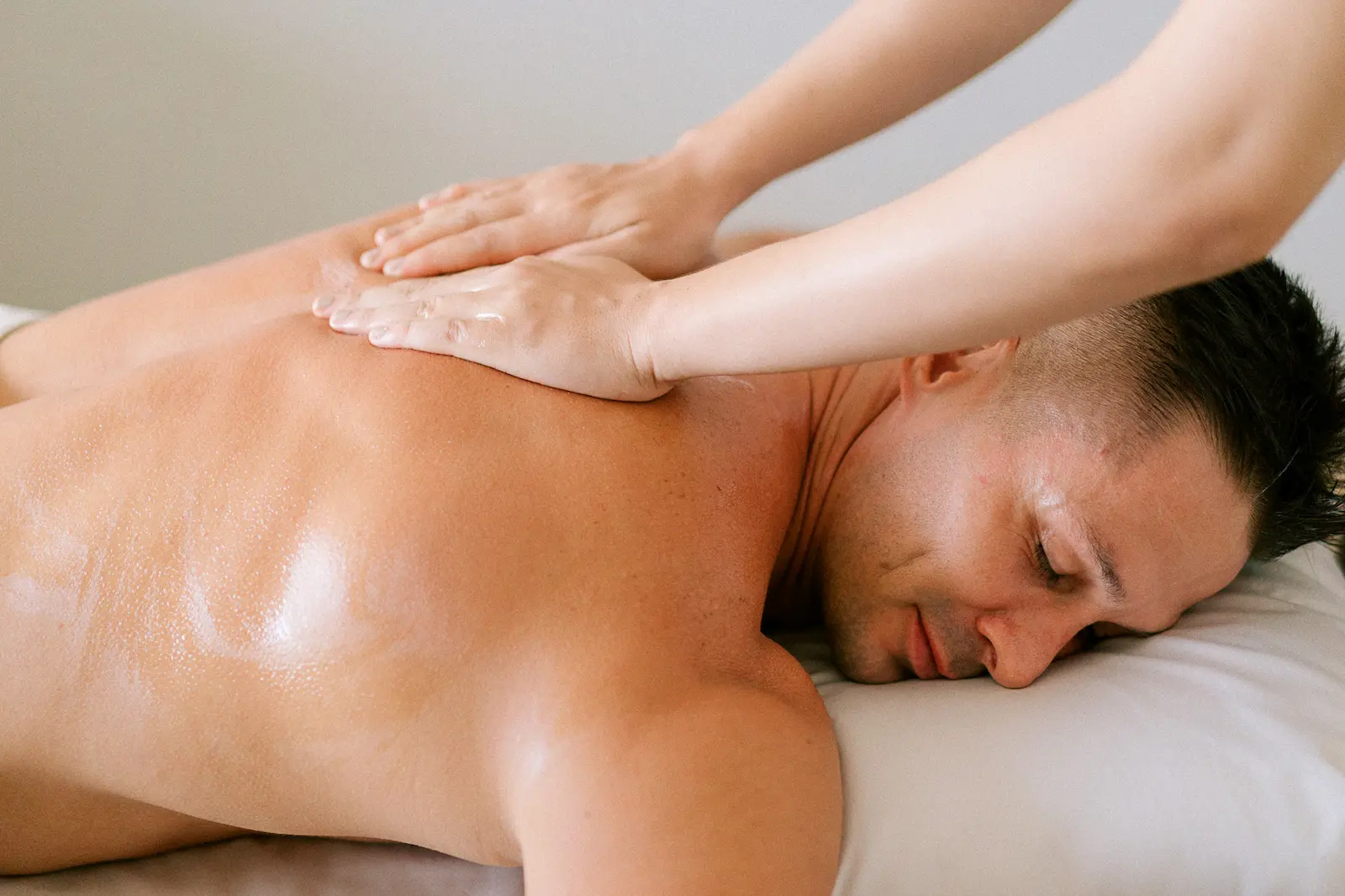
Muscle tension is the most common reason people seek massage — and the most immediately addressed. Skilled pressure releases myofascial trigger points (tight knots in muscle tissue), reduces hypertonic muscle tone, and decompresses the joints and connective tissue that chronic tension restricts. Guests with neck pain, lower back pain, shoulder tension, and headaches consistently report significant and lasting relief after regular treatment.
Improved circulation
Massage mechanical pressure increases blood flow through muscles and superficial tissue, enhancing the delivery of oxygen and nutrients to cells and the removal of metabolic waste. This is particularly significant for guests who are sedentary, travel frequently, or have compromised circulation.
Lymphatic drainage
The lymphatic system — your body’s internal cleansing network — relies on muscle movement and pressure to circulate lymph fluid. Massage stimulates lymphatic flow, helping the body clear toxins, reduce swelling, and maintain immune function. Specific lymphatic drainage massage techniques are particularly effective for post-surgical swelling and chronic water retention.
Improved flexibility and range of motion
Regular massage softens connective tissue, reduces scar tissue adhesions, and lengthens chronically shortened muscles — all of which contribute to improved mobility. For athletes, regular sports massage is associated with significantly reduced injury risk and faster recovery from training.
The Mental Health Benefits of Regular Massage
Cortisol reduction
Multiple studies have documented reductions in salivary cortisol of 20–31% following a single massage session. Cortisol is the primary stress hormone — elevated chronically, it damages the immune system, disrupts sleep, accelerates ageing, and contributes to weight gain. Reducing cortisol through regular massage is one of the most accessible and evidence-backed ways to counter chronic stress.
Anxiety and depression
Touch therapy has been shown to increase serotonin and dopamine — neurotransmitters associated with mood regulation, motivation, and emotional stability. For guests managing mild to moderate anxiety or low mood, regular massage provides a measurable mood-lifting effect that complements other forms of care.
Sleep quality
Massage increases delta wave activity in the brain — the brain wave pattern associated with deep, restorative sleep. Guests who receive regular massage consistently report faster sleep onset, fewer night wakings, and greater morning energy.
Massage for Specific Conditions
Chronic pain
For conditions including fibromyalgia, chronic lower back pain, tension headaches, and osteoarthritis, regular massage has been shown in multiple controlled trials to reduce pain intensity, improve function, and reduce dependence on pain medication.
Sports recovery
Sports massage before exercise improves circulation and prepares muscle tissue. Post-exercise massage reduces delayed onset muscle soreness (DOMS), accelerates waste removal from fatigued muscles, and helps prevent the micro-injury accumulation that leads to chronic sports injuries.
Post-surgical rehabilitation
Gentle massage in the appropriate post-surgical window supports scar tissue remodelling, reduces post-surgical oedema, and improves tissue mobility. Alanna’s kinesiotherapy team, led by Dr. Abhishek Agrawal, integrates soft tissue work into personalised rehabilitation protocols.
Choosing the Right Massage at Alanna
Alanna’s menu offers a range of massage modalities to suit every need and preference:
- Relaxation: assage — long, flowing strokes for stress relief and nervous system calm
- Holistic: Therapeutic Massage — targeted work for specific muscular dysfunction and chronic tension
- Signature Rituals: Rituals — multi-modality experiences combining massage with aromatherapy, heat, and body treatment
- Kinesiotherapy: & Kinesiotherapy — medically informed movement and soft tissue therapy for pain conditions
Frequently Asked Questions
How often should I get a massage?
For general wellness maintenance, once or twice a month provides measurable cumulative benefit. For chronic pain management or sports recovery, weekly sessions are often recommended. Your Alanna therapist can advise on an appropriate schedule for your specific needs.
Is massage safe for everyone?
Massage is safe for the vast majority of people. There are some contraindications — including certain skin conditions, acute injuries, and specific medical conditions — that your therapist will screen for at arrival. When in doubt, consult your physician before booking.
What should I do after a massage?
Drink water, rest if possible, and avoid vigorous physical activity for a few hours. The body continues processing the session for 12–24 hours after treatment — protecting this window maximises the therapeutic benefit.